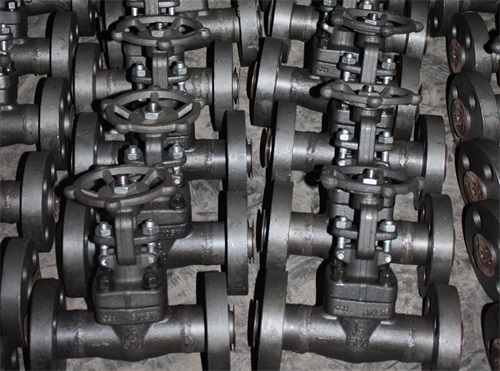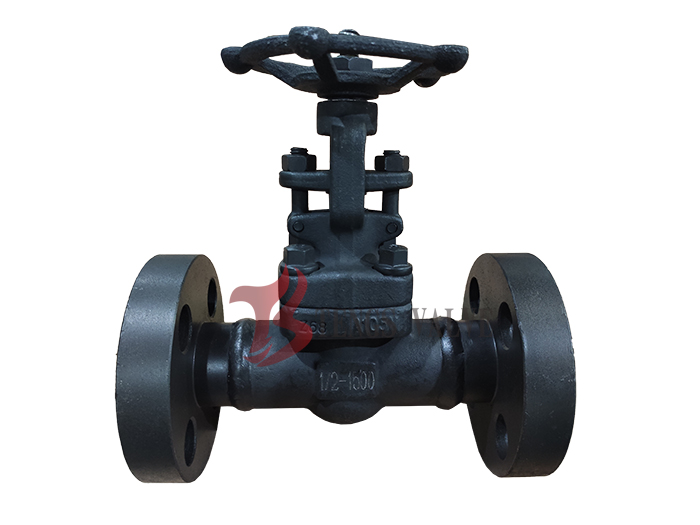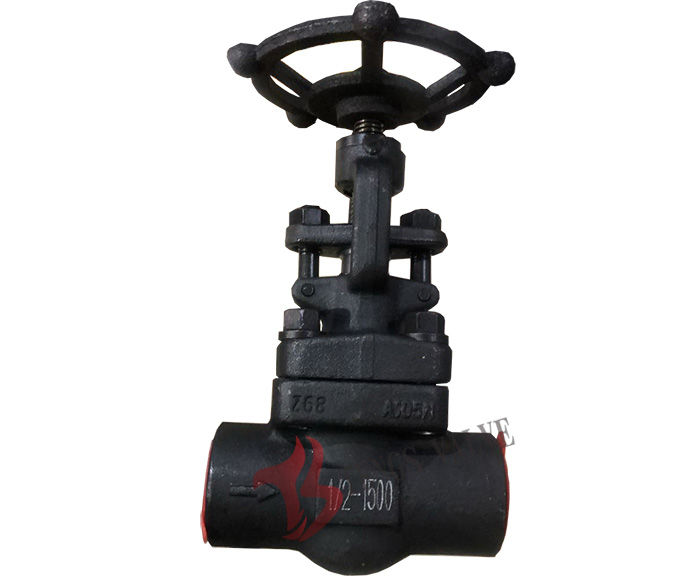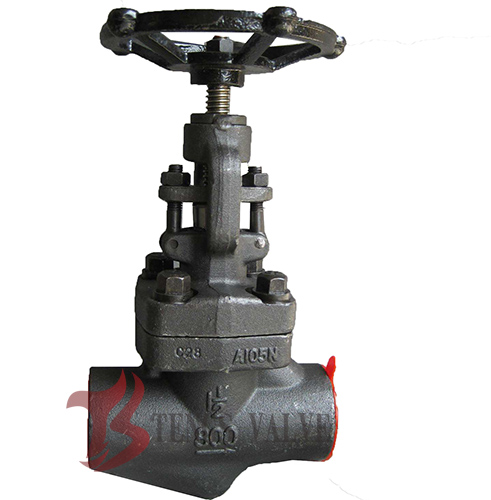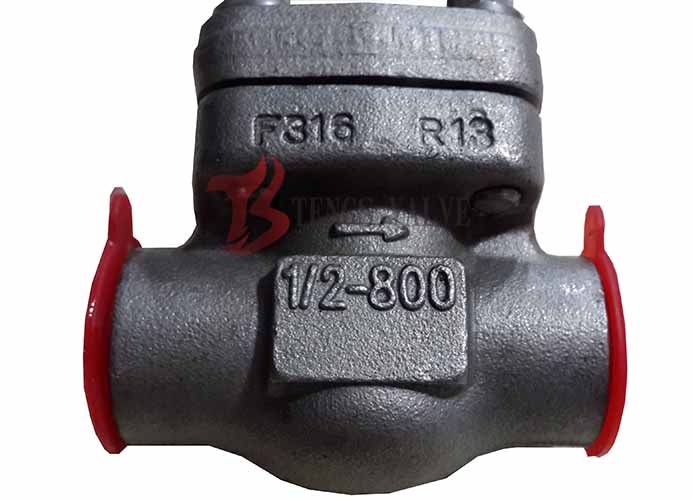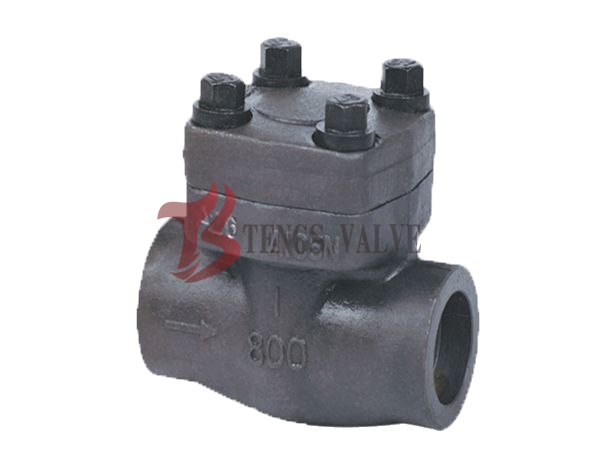


Forged Carbon Steel Check Valve - API 602, BS 5352, 1/2 inch to 2 inch
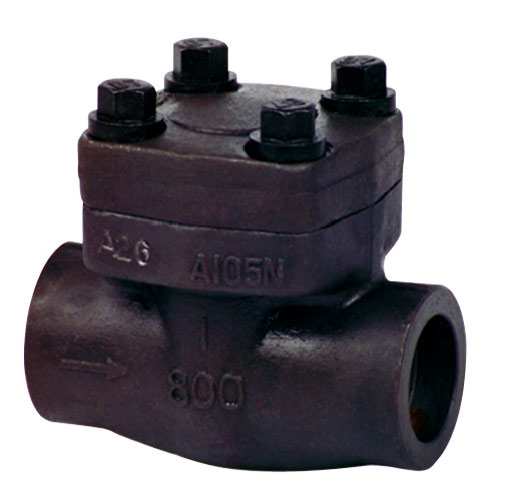
Tengs Valve is a professional Forged Carbon Steel Check Valve supplier, offering swing type, vertical (lifting) type, ball type and Y pattern forged steel check valves. Sizes from 1/2″ to 2″ (DN15 to DN50), pressure ratings from ANSI Class 150Lbs to 2500Lbs. The forged carbon steel check valve can be designed with the following bonnet types: Bolted Bonnet (BB), Welded Bonnet (WB) and Pressure Seal Bonnet (PSB). Body materials include A105, LF2, F5, F11, F22 or equivalent. Ideal for oil & gas, petrochemical, power generation, and instrumentation applications.
Forged Carbon Steel Check Valve Specifications
• Design & Manufacture: API 602, BS 5352, ASME B16.34
• Constructions: Bolted Bonnet (BB), Welded Bonnet (WB) & Pressure Sealed Bonnet (PSB)
• Port Type: Full Port / Reduced Port
• Size Range: 1/2″ to 2″ (DN15 to DN50)
• Pressure Ratings: ANSI 150LB, 300LB, 600LB, 800LB, 900LB, 1500LB & 2500LB
• End Connections: Threaded (Screwed), NPT, Flanged, Butt Weld, Socket Weld (SW)
• Body Materials: A105, LF2, F5, F11, F22 or Equivalent
• Trim Materials: Various trim materials are available to suit different service conditions
• Sour Service: NACE MR 0175
• Test and Inspection: API 598
✓ Forged carbon steel construction provides higher strength and tighter grain structure than cast valves for high-pressure small-bore service
Forged Carbon Steel Check Valve Material List
| Part Name | Material | |||||
|---|---|---|---|---|---|---|
| A105 | LF2 | F11 | F22 | |||
| Trim 1# | Trim 8# | Trim 5# | Trim 13Cr | Trim 13Cr | Trim 13Cr | |
| Body | A105 | A105 | A105 | LF2 | F11 | F22 |
| Bonnet | A105 | A105 | A105 | LF2 | F11 | F22 |
| Disc | 13Cr | 13Cr | STL | 13Cr | 13Cr | 13Cr |
| Seat | 13Cr | STL | STL | 13Cr | 13Cr | 13Cr |
| Hinge Pin | F6a | F6a | F6a | F6a | F6a | F6a |
| Bolts | B7 | B7 | B7 | L7 | B16 | B16 |
Reference: API 602, BS 5352, ASTM A105, A350, A182. Materials may vary by model and pressure rating. Contact us for confirmed material certificate.
A105 vs LF2 vs F11 vs F22: Forged Carbon Steel Grade Comparison
| Grade | Standard | Material Type | Temperature Range | Typical Application |
|---|---|---|---|---|
| A105 / A105N | ASTM A105 | Carbon Steel | -29°C to 425°C | General hydrocarbon, steam, water, oil and gas |
| LF2 | ASTM A350 LF2 | Low Temperature Carbon Steel | -46°C to 345°C | LNG, cold climate, low-temperature service |
| F11 | ASTM A182 F11 | Alloy Steel (1.25Cr-0.5Mo) | -29°C to 593°C | High-temperature steam, power plants, refinery |
| F22 | ASTM A182 F22 | Alloy Steel (2.25Cr-1Mo) | -29°C to 650°C | High-temperature steam, hydrocracking, hydrogen service |
Reference: ASTM A105, A350, A182. A105 and LF2 are carbon steels; F11 and F22 are chrome-moly alloy steels for elevated temperature service.
Pressure Class Comparison
| Pressure Class | Design Pressure (bar) | Design Pressure (psi) | Typical Service |
|---|---|---|---|
| Class 800 | 138 | 2,000 | General hydrocarbon, steam, water, instrument lines |
| Class 1500 | 260 | 3,750 | High-pressure steam, gas injection, wellhead equipment |
| Class 2500 | 430 | 6,250 | High-pressure steam generators, natural gas compressor lines |
Reference: ASME B16.34. Class 800 is a forged valve-specific rating (approximately between Class 600 and 900).
Forged Carbon Steel Check Valve Applications
• Oil and Gas Industry: Wellhead equipment, Christmas trees, manifold and flowline backflow protection.
• Power Generation: High-pressure steam isolation, boiler drains, turbine bypass lines.
• Petrochemical: Hydrocarbon processing, catalytic cracking, reformer units.
• Chemical Processing: Corrosive fluid backflow prevention, reagent feed lines, sampling systems.
• Water Treatment: High-pressure pump discharge, desalination, boiler feed water.
• Instrumentation: Instrument root valves, steam trap isolation, sensing line isolation.
FAQ - Forged Carbon Steel Check Valve
Q1: What is a forged carbon steel check valve?
A: A forged carbon steel check valve is a non-return valve with the body and bonnet made of forged carbon steel (A105, A105N, or LF2). Unlike cast valves, forged construction provides a tighter grain structure, higher strength, and better impact toughness, making it ideal for small-bore high-pressure applications up to Class 2500. It is manufactured to API 602 / BS 5352 and is available in swing, lift, ball, and Y pattern types.
Q2: What is the difference between A105 and LF2?
A: A105 is standard forged carbon steel suitable for service from -29°C to 425°C. LF2 (ASTM A350 LF2) is a low-temperature forged carbon steel grade with guaranteed impact toughness down to -46°C. LF2 is preferred for LNG, cold climate pipelines, and cryogenic applications where A105 would become brittle.
Q3: What is the difference between F11 and F22?
A: F11 (1.25Cr-0.5Mo) and F22 (2.25Cr-1Mo) are chrome-moly alloy steels for elevated temperature service. F11 is suitable for service up to 593°C, while F22 provides higher creep strength and hydrogen resistance for service up to 650°C. F22 is commonly used in hydrocracking and hydrogen service, while F11 is preferred for high-temperature steam lines.
Q4: What is the difference between swing type and lift type check valves?
A: A swing check valve uses a hinged disc that swings on a hinge pin, providing full bore flow with minimal pressure drop — suitable for larger sizes and horizontal pipelines. A lift check valve (also called piston check valve) uses a piston or disc that moves along the flow axis, providing faster closing and better sealing at the seat — suitable for smaller sizes and vertical pipelines. Lift check valves generally provide tighter shut-off but higher pressure drop than swing check valves.
Q5: What is the difference between BB, WB and PSB bonnet designs?
A: Bolted bonnet (BB) allows easy access for maintenance and trim replacement. Welded bonnet (WB) provides a more compact design and is preferred for high-pressure Class 1500 and 2500 applications where leak-tightness is critical. Pressure Seal Bonnet (PSB) uses internal line pressure to tighten the seal, becoming more effective as pressure increases, suitable for Class 900 and above.
Q6: What is the difference between Full Port and Reduced Port check valves?
A: Full Port (FB) check valves have an internal bore equal to the pipe inner diameter, providing minimal pressure drop and allowing pigging operations — preferred for pipeline and process lines requiring full flow. Reduced Port (RB) check valves have a smaller internal bore, resulting in higher flow velocity, better sealing performance, and lower cost — commonly used in small-bore high-pressure service where flow capacity is not critical.
Request a Quote for Forged Carbon Steel Check Valves
Contact us for pricing, technical datasheets, or customized solutions. Our engineering team responds within 24 hours.
Email: sales@tengsvalve.com
Website: Request a Quote Online
Email Us Now
Forged Steel Check Valve Dimension Details
Related Valve Pages
• Forged Steel Check Valve - API 602 Forged Steel Check Valve Main Page
• Forged Steel Gate Valve - API 602 Forged Steel Gate Valve
• Forged Steel Globe Valve - API 602 Forged Steel Globe Valve
• Industrial Check Valve - Cast Steel Check Valve Main Page
• Industrial Gate Valve - API 600 Cast Steel Gate Valve Series