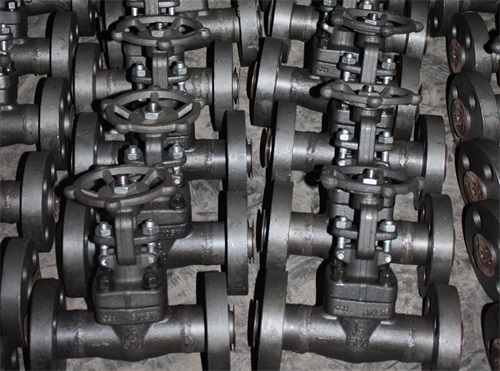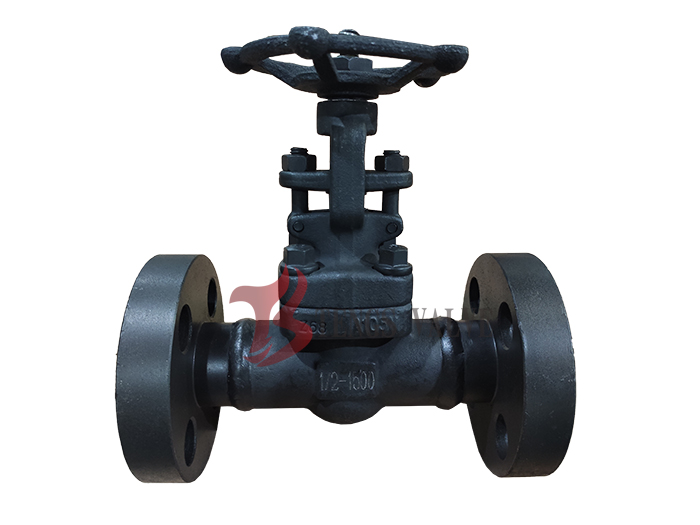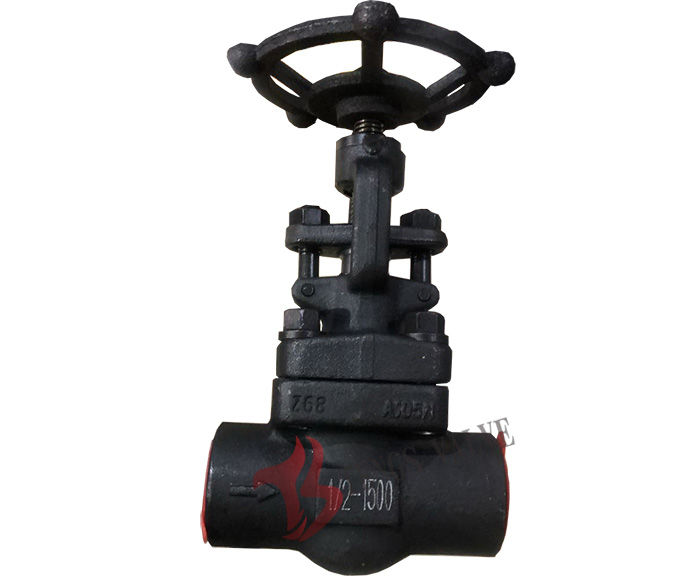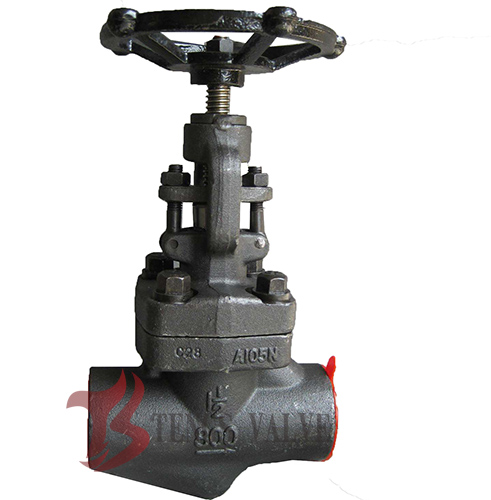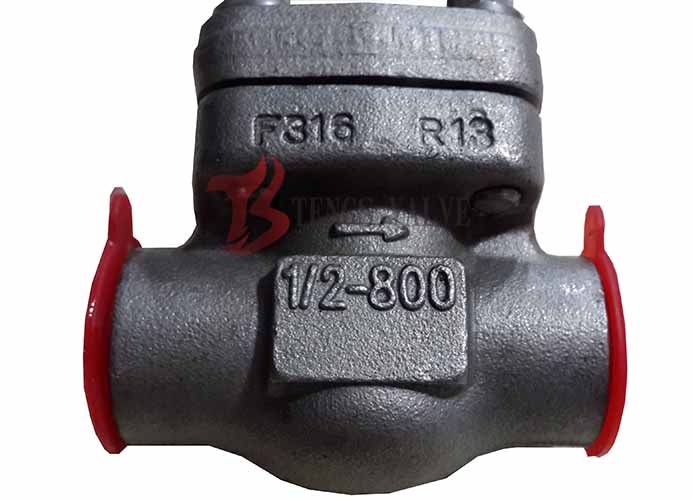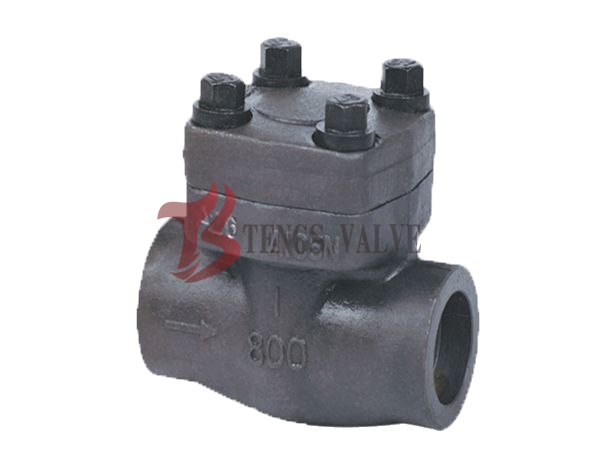


Forged Steel Check Valve - API 602, BS 5352, Class 150 to 2500
China Industrial Forged Steel Check Valve Supplier, Exporter, Manufacturer. API 602 forged steel check valves available in swing type, lifting type, vertical type, ball type and Y pattern. Different bore types: Full Bore (FB), Reduced Bore (RB), Standard Bore. Different bonnet designs: Bolted Bonnet (B.B.), Welded Bonnet (W.B.) and Pressure Seal Bonnet (PSB). Forged construction provides higher strength and tighter grain structure than cast valves, ideal for high-pressure small-bore applications up to Class 2500.
Various body materials are available: A105(N), LF2, F5, F11, F22, F91, F304(L), F316(L), F51, F53 or equivalent.
End Connections: SW, NPT, BW and Flanged, Nipple Ends.
Sizes: 1/2″, 3/4″, 1″, 1-1/4″, 1-1/2″, 2″ (DN15 to DN50).
Pressure Ratings: ANSI Class 150Lb, 300Lb, 600Lb, 800Lb, 900Lb, 1500Lb, 2500Lb.
Forged Steel Check Valve Application Specification
• Design and Manufacture: API 602, BS 5352, ASME B16.34
• End Connections: Socket-Weld: ANSI B16.11, Screwed (Threaded): ANSI B1.20.1, Butt-Welding: ANSI B16.25, Flange Ends: ANSI B16.5
• Inspection and Test: API 598
• Structure Feature: Bolted Bonnet (B.B.), Welded Bonnet (W.B.), Pressure Seal Bonnet (PSB)
• Bore Type: Full Bore (FB), Reduced Bore (RB), Standard Bore
• Valve Type: Swing Type, Lifting Type, Vertical Type, Ball Type, Y Pattern
• Size Range: 1/2 inch to 2 inch (DN15 to DN50)
• Pressure Class: Class 150 to Class 2500
• Temperature Range: -29°C to 425°C (-20°F to 800°F)
✓ Forged construction provides higher strength and tighter grain structure than cast valves for high-pressure small-bore service
API 602 vs BS 5352: Forged Steel Check Valve Standard Comparison
| Parameter | API 602 (US) | BS 5352 (EU) |
|---|---|---|
| Scope | Forged steel gate, globe, and check valves, sizes 1/2″ to 2″ | Steel wedge gate, globe and check valves 50 mm and smaller |
| Pressure Class | Class 800, 1500, 2500 | Class 800, 1500, 2500 |
| End Connections | SW, NPT, BW, Flanged | SW, NPT, BW, Flanged |
| Testing | API 598 | BS 5146 / API 598 |
| Typical Application | US projects, oil & gas, petrochemical | European projects, oil & gas, petrochemical |
Reference: API 602, BS 5352. API 602 is the American standard, BS 5352 is the British/European standard for small forged steel valves. Both cover similar scope and pressure ratings.
Forged Steel Check Valve Types: Swing vs Lift vs Ball vs Y Pattern
| Type | Disc Movement | Installation | Typical Application |
|---|---|---|---|
| Swing Type | Hinged disc swings on pin | Horizontal or vertical upward flow | General service, low pressure drop |
| Lift / Piston Type | Piston lifts vertically along flow axis | Horizontal only | High-pressure systems, tight sealing |
| Ball Type | Ball moves along seat | Horizontal or vertical | Viscous fluids, varying flow rates |
| Y Pattern | Angled body with lift disc | Horizontal or vertical | Reduced pressure drop, high flow capacity |
Reference: API 602, BS 5352. Type selection depends on installation orientation, pressure class, and flow characteristics.
Pressure Class Comparison
| Pressure Class | Design Pressure (bar) | Design Pressure (psi) | Typical Service |
|---|---|---|---|
| Class 800 | 138 | 2,000 | General hydrocarbon, steam, water, instrument lines |
| Class 1500 | 260 | 3,750 | High-pressure steam, gas injection, wellhead equipment |
| Class 2500 | 430 | 6,250 | High-pressure steam generators, natural gas compressor lines |
Reference: ASME B16.34. Class 800 is a forged valve-specific rating (approximately between Class 600 and 900).
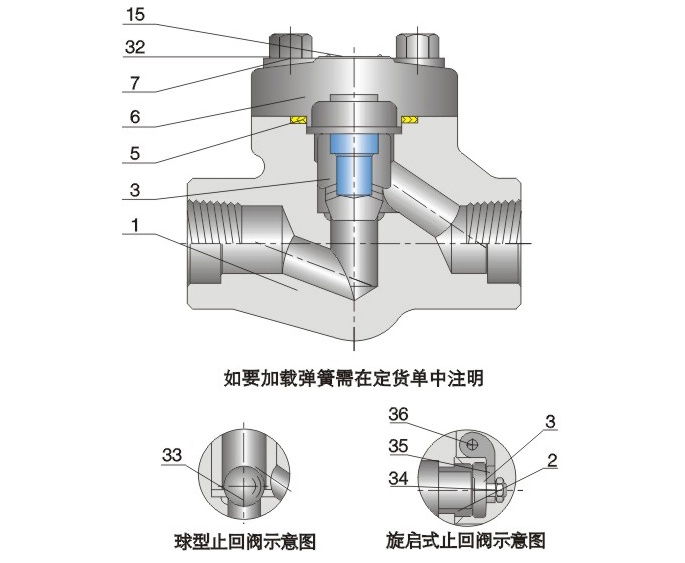
Forged Steel Check Valve Materials List
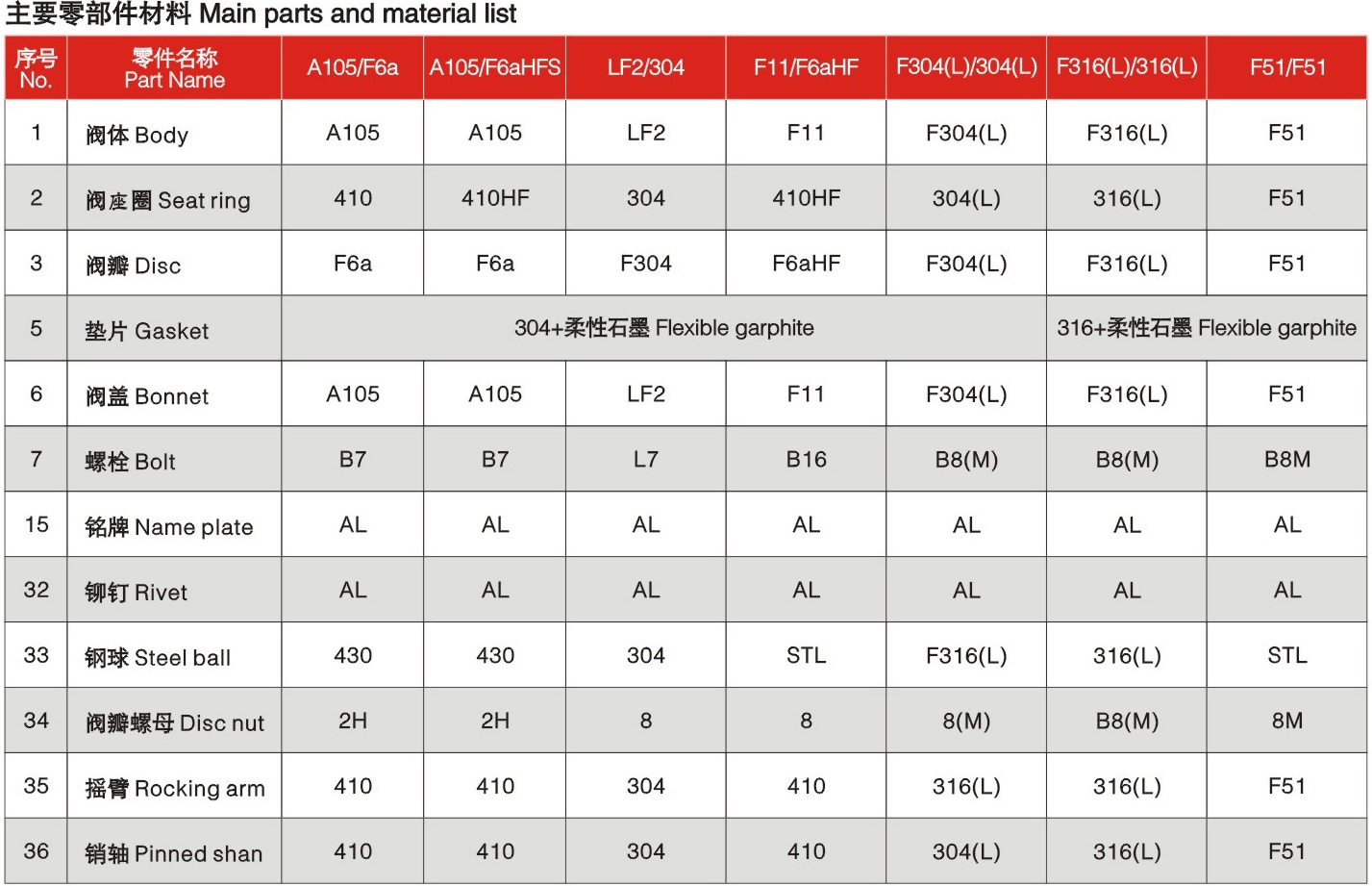
Reference: API 602, BS 5352, ASME B16.34. Materials may vary by model and pressure rating. Contact us for confirmed material certificate.
Forged Steel Check Valve Applications
• Oil and Gas Industry: Wellhead equipment, Christmas trees, manifold and flowline backflow protection.
• Power Generation: High-pressure steam isolation, boiler drains, turbine bypass lines.
• Petrochemical: Hydrocarbon processing, catalytic cracking, reformer units.
• Chemical Processing: Corrosive fluid backflow prevention, reagent feed lines, sampling systems.
• Water Treatment: High-pressure pump discharge, desalination, boiler feed water.
• Instrumentation: Instrument root valves, steam trap isolation, sensing line isolation.
FAQ - Forged Steel Check Valve
Q1: What is the difference between API 602 and BS 5352 forged steel check valves?
A: API 602 is the American standard for forged steel gate, globe, and check valves in sizes 1/2″ to 2″. BS 5352 is the British/European standard for steel wedge gate, globe, and check valves 50 mm and smaller. Both cover similar scope, pressure ratings (Class 800 to 2500), and end connections (SW, NPT, BW, Flanged). API 602 is commonly specified in American projects, while BS 5352 is preferred in European and Middle East projects.
Q2: What is the difference between swing type and lift type check valves?
A: A swing check valve uses a hinged disc that swings on a hinge pin, providing full bore flow with minimal pressure drop — suitable for larger sizes and horizontal pipelines. A lift check valve (also called piston check valve) uses a piston or disc that moves along the flow axis, providing faster closing and better sealing at the seat — suitable for smaller sizes and vertical pipelines. Lift check valves generally provide tighter shut-off but higher pressure drop than swing check valves.
Q3: What is the difference between bolted bonnet and welded bonnet design?
A: Bolted bonnet (B.B.) allows easy access for maintenance and trim replacement. Welded bonnet (W.B.) provides a more compact design and is preferred for high-pressure Class 1500 and 2500 applications where leak-tightness is critical. Pressure Seal Bonnet (PSB) uses internal line pressure to tighten the seal, becoming more effective as pressure increases, suitable for Class 900 and above.
Q4: What end connections are available for forged steel check valves?
A: We offer Socket-Weld (SW) per ANSI B16.11, Screwed/Threaded (NPT) per ANSI B1.20.1, Butt-Welding (BW) per ANSI B16.25, and Flanged ends per ANSI B16.5. The choice depends on piping specification, pressure class and installation requirements.
Q5: What materials are available for forged steel check valves?
A: Standard body materials include carbon steel (A105, A105N, LF2), alloy steel (F5, F11, F22, F91), stainless steel (F304, F304L, F316, F316L) and duplex stainless steel (F51, F53). Material selection depends on operating temperature, pressure and fluid corrosiveness. NACE MR 0175 compliance is available on request for sour service.
Q6: What is Class 800 and why is it specific to forged valves?
A: Class 800 is a pressure rating specific to forged steel valves (API 602 / BS 5352), positioned between Class 600 and Class 900 with a design pressure of approximately 138 bar (2,000 psi). It is not part of the standard ASME B16.34 Class 150–2500 sequence for cast valves. Class 800 is widely used in small-bore forged valves for general hydrocarbon, steam, water, and instrument line service.
Request a Quote for Forged Steel Check Valves
Contact us for pricing, technical datasheets or customized solutions. Our engineering team responds within 24 hours.
Email: sales@tengsvalve.com
Website: Request a Quote Online
Email Us Now
Forged Steel Check Valve Dimension Details
Related Valve Pages
• Forged Steel Gate Valve - API 602 Forged Steel Gate Valve Main Page
• Forged Steel Globe Valve - API 602 Forged Steel Globe Valve
• Industrial Check Valve - Cast Steel Check Valve Main Page
• Industrial Gate Valve - API 600 Cast Steel Gate Valve Series
• Industrial Globe Valve - Cast Steel Globe Valve Series