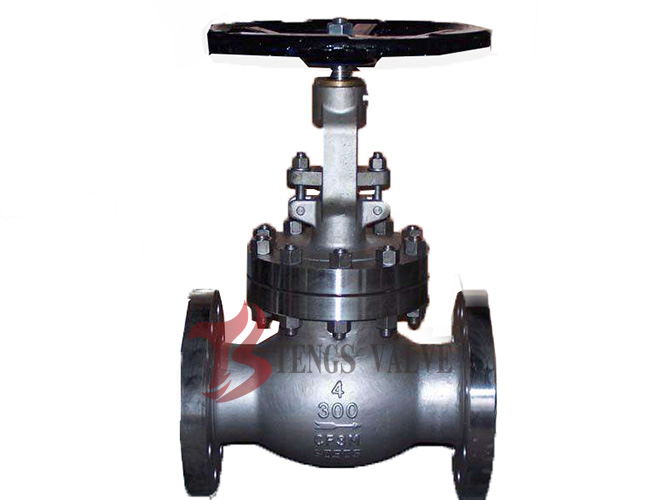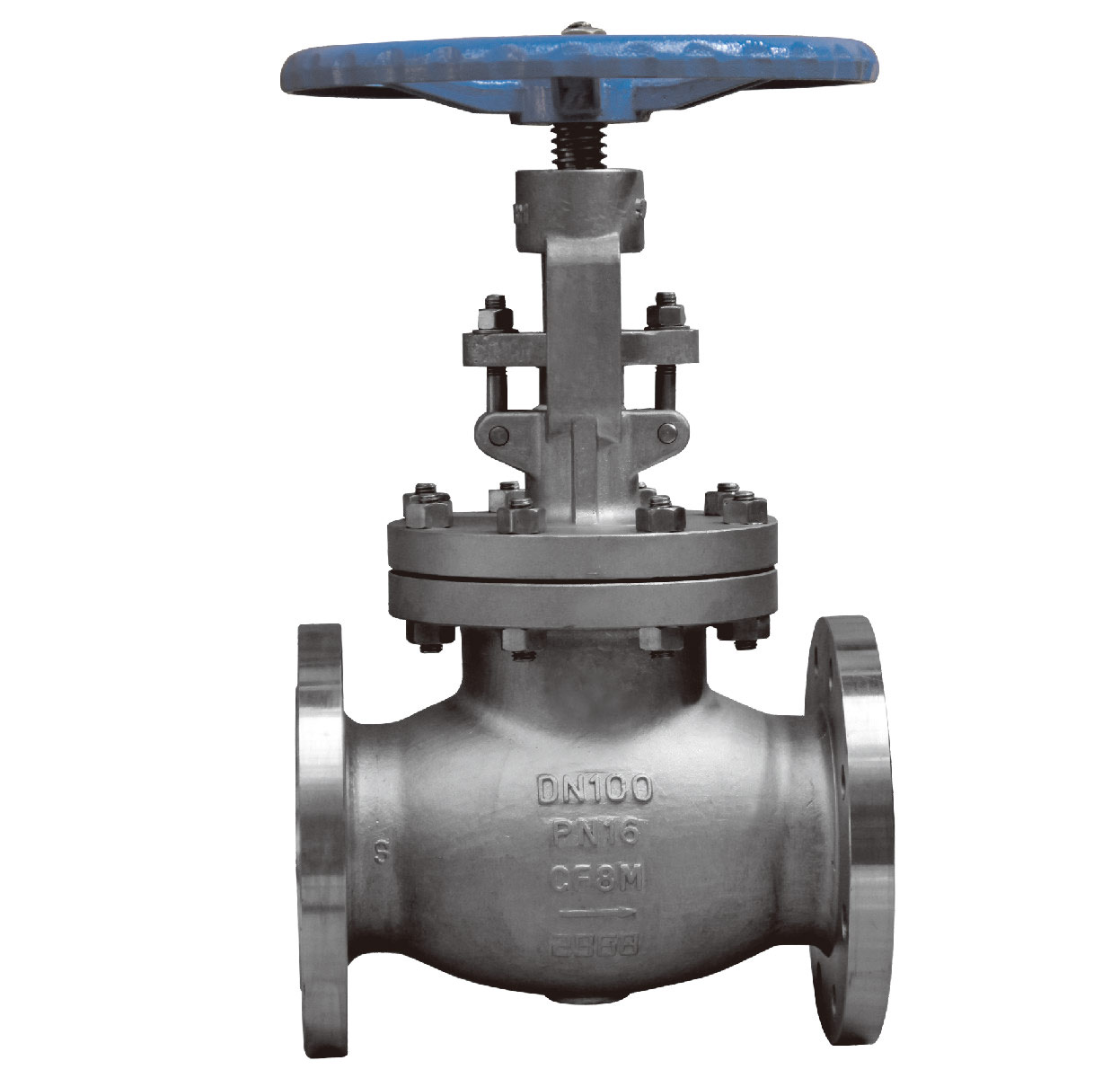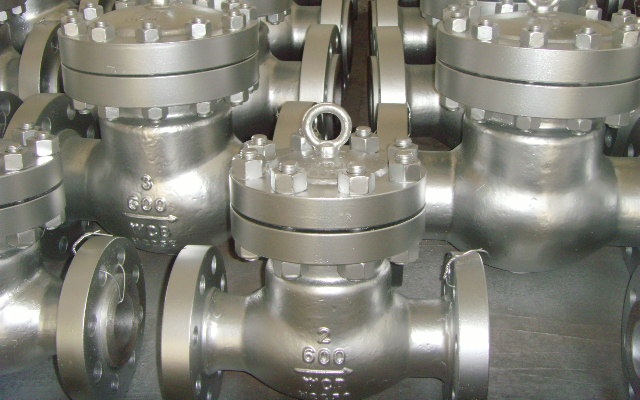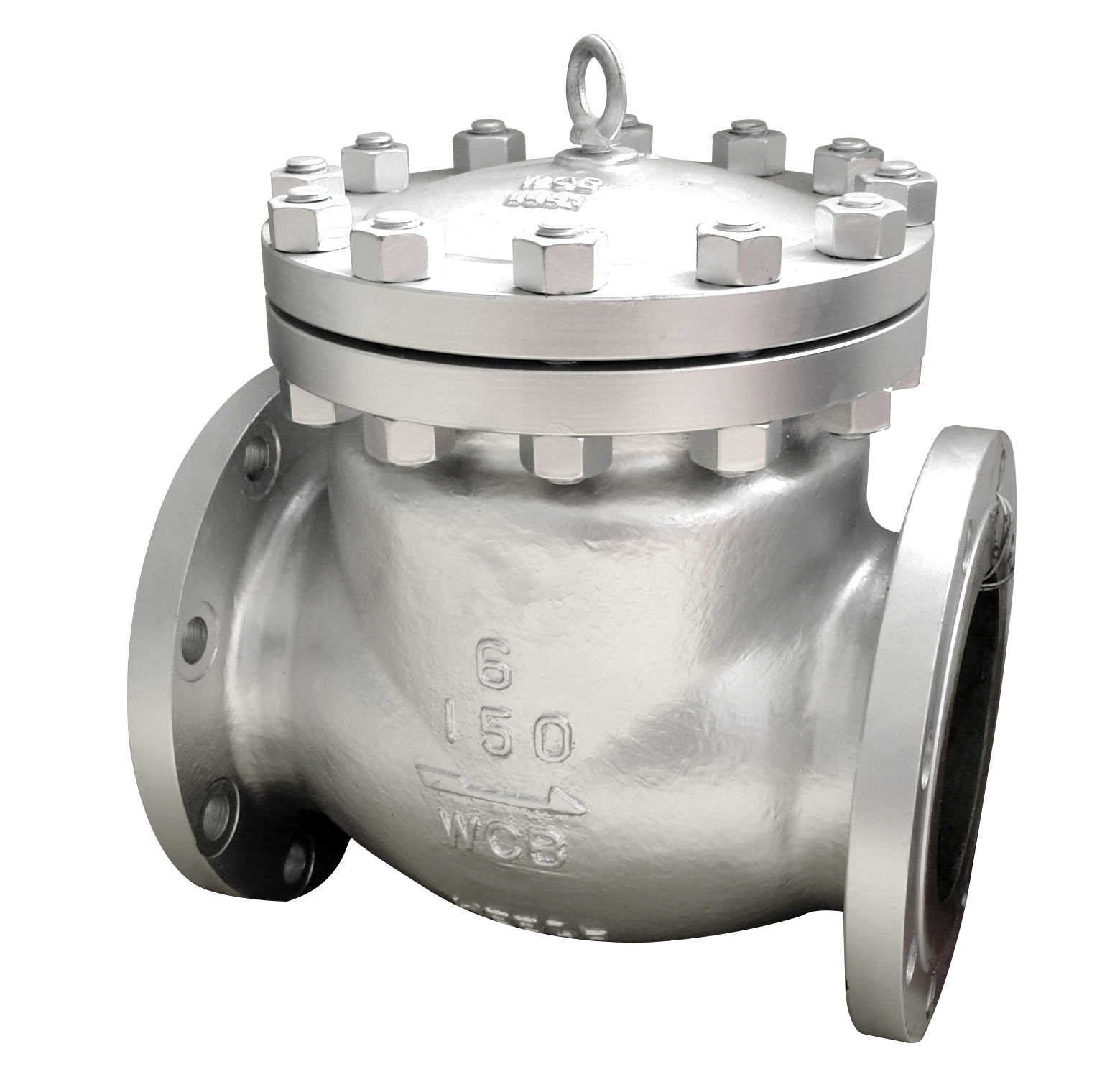


DIN Globe Valve PN40 - PN64 - Cast Steel, GS-C25, 1.4308, 1.4408
Tengs Valve supplies high-quality DIN Standard Globe Valves for PN40 and PN64 pressure ratings, manufactured to DIN 3356, DIN 3202, and DIN 2501 standards. These globe valves feature bolted cover, OS&Y, rising stem design with flanged (RF, RTJ) or butt weld ends. Available in cast carbon steel (GS-C25, WCB), alloy steel (WC6, WC9), and stainless steel (1.4308, 1.4408). Operated by handwheel or gear. Ideal for high-pressure water, chemical, power generation, and industrial pipeline applications.
Cast Steel Globe Valve Specification for DIN PN40 - PN64
• Design and Manufacture: DIN 3356
• Face to Face: DIN 3202
• Flange Ends: DIN 2501
• Inspection and Test: DIN 3230
• Construction: Bolted Cover (Bonnet), OS&Y, Rising Stem
• End Connections: Flanged (RF, RTJ), Butt Weld (BW)
• Pressure Ratings: PN40, PN64
• Body Materials: Carbon Steel (GS-C25, WCB), Alloy Steel (WC6, WC9), Stainless Steel (1.4308, 1.4408)
• Actuator: Manual Handwheel, Electric Actuator, Gear Operated
✓ Medium-high pressure DIN standard — suitable for high-pressure steam, boiler feedwater, and chemical process service
DIN PN40 vs DIN PN64 Globe Valve: Key Differences
| Parameter | PN40 | PN64 |
|---|---|---|
| Pressure Rating | 40 bar (4.0 MPa) | 64 bar (6.4 MPa) |
| Wall Thickness | Thicker than PN25 | Maximum wall thickness |
| Flange Standard | DIN 2501 PN40 | DIN 2501 PN64 |
| Flange Face | RF, RTJ | RF, RTJ recommended |
| Typical Application | Boiler feedwater, high-pressure steam, chemical process | Ultra-high-pressure steam, refinery, power plant critical service |
Reference: DIN 3356, DIN 2501. PN64 globe valves provide higher pressure containment for high-pressure steam and critical chemical service compared to PN40.
DIN Globe Valve Main Parts and Materials
| Part Name | Material | ||
|---|---|---|---|
| GS-C25 (WCB) | WC6 / WC9 (Alloy Steel) | 1.4308 / 1.4408 (CF8 / CF8M) | |
| Body | GS-C25 / A216 WCB | A217 WC6 / WC9 | 1.4308 / 1.4408 |
| Bonnet | GS-C25 / A216 WCB | A217 WC6 / WC9 | 1.4308 / 1.4408 |
| Disc | GS-C25 + 13Cr / STL | WC6 / WC9 + 13Cr / STL | 1.4308 / 1.4408 |
| Seat | 13Cr / STL | 13Cr / STL | SS304 / SS316 |
| Stem | A182 F6a / F304 / F316 | A182 F6a / F304 / F316 | A182 F304 / F316 |
| Bolts / Nuts | A193 B7 / A194 2H | A193 B7 / A194 2H | A193 B8 / A194 8, B8M / 8M |
| Packing | Graphite | Graphite | Graphite |
Reference: DIN 3356, DIN 3202, DIN 2501, DIN 3230. Materials may vary by model and pressure rating. Contact us for confirmed material certificate.
DIN Globe Valve Dimensions for PN40 - PN64
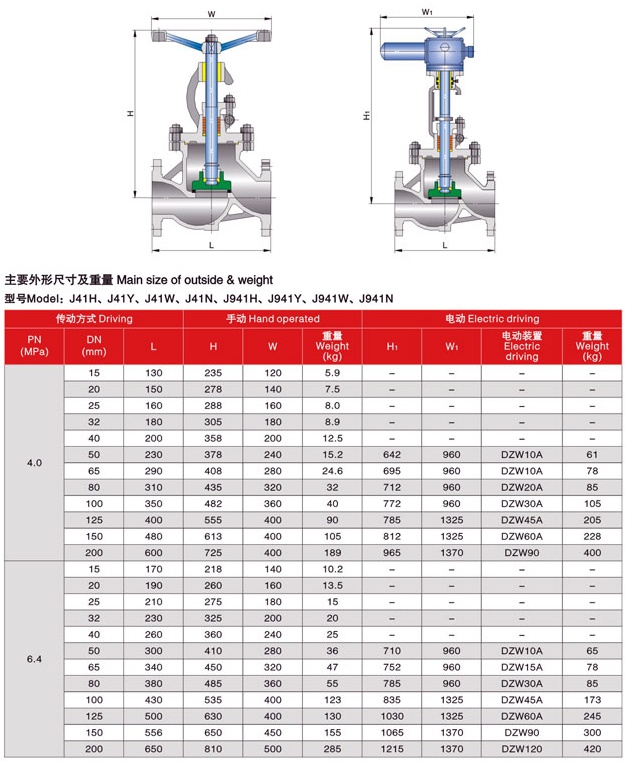
Reference: DIN 3356, DIN 3202. Dimensions may vary by manufacturer. Contact us for confirmed drawing and quotation.
Typical Applications of DIN PN40 - PN64 Globe Valve
• High-pressure steam systems: boiler steam, main steam, and power plant auxiliary steam lines.
• Boiler feedwater: medium-high pressure feedwater lines in power generation and industrial boilers.
• Refinery and petrochemical: process lines with elevated pressure and temperature service conditions.
• Chemical plants: high-pressure chemical synthesis and corrosive media handling.
• Power generation: cooling water, service water, and high-pressure auxiliary systems.
• European and international projects: pipelines requiring DIN 3356 / DIN 3202 / DIN 2501 compliance at PN40 and PN64 pressure ratings.
FAQ - DIN PN40 - PN64 Globe Valve
Q1: What is a DIN PN40 / PN64 globe valve?
A: A DIN PN40 / PN64 globe valve is a linear motion valve designed for throttling and flow regulation in medium-high to high pressure pipelines. It is manufactured to DIN 3356 with face-to-face dimensions per DIN 3202, flange ends per DIN 2501, and inspection and test per DIN 3230. PN40 means the valve is rated for 40 bar (4.0 MPa) nominal pressure, and PN64 for 64 bar (6.4 MPa).
Q2: What is the difference between DIN PN40 and DIN PN64 globe valves?
A: DIN PN64 globe valves have thicker wall sections, heavier flanges, and higher pressure/temperature ratings than PN40. PN64 is suitable for high-pressure steam, refinery, and power plant critical service, while PN40 is preferred for boiler feedwater, medium-high pressure steam, and chemical process applications.
Q3: What is the difference between a globe valve and a gate valve?
A: A globe valve uses a plug that moves along the flow axis, providing better throttling and flow regulation — ideal for modulating service. A gate valve uses a wedge that moves perpendicular to the flow, providing full bore flow with minimal pressure drop — ideal for on-off isolation only. Globe valves should be used for throttling, while gate valves should only be used fully open or fully closed.
Q4: What materials are available for DIN PN40 / PN64 globe valves?
A: Common body materials include GS-C25, WCB, WC6, WC9, C5, C12, 1.4308, 1.4408, CF8, CF8M, CF3, and CF3M. Various trim materials such as 13Cr, STL, SS304, SS316, F6a, F51, and F53 are available to suit different service conditions.
Q5: What end connections and actuation options are available?
A: End connections include flanged (RF, RTJ) per DIN 2501 and butt weld (BW). Actuation options include manual handwheel, gear operated, and electric actuator. Other options are available on request.
Q6: What is DIN 3356 standard?
A: DIN 3356 is a German industrial standard for "Globe valves for general requirements." It specifies requirements for design, materials, face-to-face dimensions, flange dimensions, and testing of industrial globe valves. It is widely used in European and international projects for flow regulation and throttling applications.
Get a Fast Quote for DIN PN40 - PN64 Globe Valve
Send us your size, pressure rating (PN40 or PN64), material, end connection, actuation type, and quantity. Our team will reply within 24 hours with price, drawing, and delivery time.
Email: sales@tengsvalve.com
Website: Request a Quote Online
Email Us Now
Industrial Globe Valve Dimension Details
Related Valve Pages
• Industrial Globe Valve - Cast Steel Globe Valve Main Page
• Industrial Gate Valve - Cast Steel Gate Valve Series
• Industrial Check Valve - Cast Steel Check Valve Main Page
• Ball Valve - Ball Valve Series Overview
• Butterfly Valve - Butterfly Valve Series Overview